
THE STRATEGY BEHIND THE SOCIAL SOUNDTRACK
By Mallika Mitra ’16
If you find yourself scrolling on TikTok—whether that be past viral recipes, dance challenges, makeup tutorials, book recommendations, celebrity gossip or the many other niche interests posted on the social media platform—you’ll notice many of them have something in common: music. You can, in part, thank Matt Jong ’15 for that.
Jong is a music product business development lead at TikTok, where he works at the intersection of music licensing and product strategy. His excitement for combining a passion for music and a curiosity about business started back at Kalamazoo College with a Senior Integrated Project (SIP) on the digital music industry.
“It really started with learning about my interests and connecting the dots between business and economics, and arts and culture,” said Jong, who is from Ann Arbor, Michigan, and is now based in Philadelphia. “It took my SIP to figure out the path that I was excited about, and I definitely give K credit in terms of the encouragement to try a lot of things, from religion classes to music classes. That liberal arts programming really did wonders in terms of finding a path that made a lot of sense for me.”
He certainly did, as he put it, try a lot of things. Jong was a business major and psychology minor at K, where he also played basketball, was part of the Kalamadudes a cappella group and participated in the Frelon Dance Company. His advisor at K was Zaide Pixley, then dean of first years and advising, and she introduced him to the world of musicology and the idea that music has an impact on culture from a social and technological standpoint. She connected him with a former alum who owned a local studio and put on concerts. Jong worked there the summer between his junior and senior years, giving him an entry point into what would become his career.
Can you tell me about your SIP?
Spotify came to the U.S. in 2011, my freshman year, so it was the hot new thing when I went to college. I remember being pretty obsessed with it at the time. I was always interested in music through singing, but I was also really interested in the technology behind it. I was always on music blogs and downloading music and—when Spotify came out—making playlists. But I realized I really didn’t know how the service worked or how it made money. So I decided to do my SIP on that, and, for probably the first time in my academic career, I was fully engaged and interested. I was reading up on everything from labels to music publishers to managers and learning about a world that I really didn’t know about. That interest pushed me to apply to the music business program at New York University, which is where I ended up getting my master’s degree.
Where did your career go from there?
I was grinding out in New York, trying to meet as many people as I could—anyone who wanted a coffee from me, I would happily pay and talk to. I landed my first internship at Warner Music Group, thanks in part to the fact that the guy who found my resume also sang a cappella in college. That internship was in a department called “Office of the CEO,” which was very nerve-wracking for me as a 21-year-old. It was a small team working on analytics and general insights specifically for the CEO about how different labels were performing, what trends were going on in the marketplace and demographic data. When people think of the music industry when they’re younger, they think of the flashiness of it, like red carpets and managers and going to shows. But while this was a very corporate setting, I saw that the team was clearly making an impact on the industry.
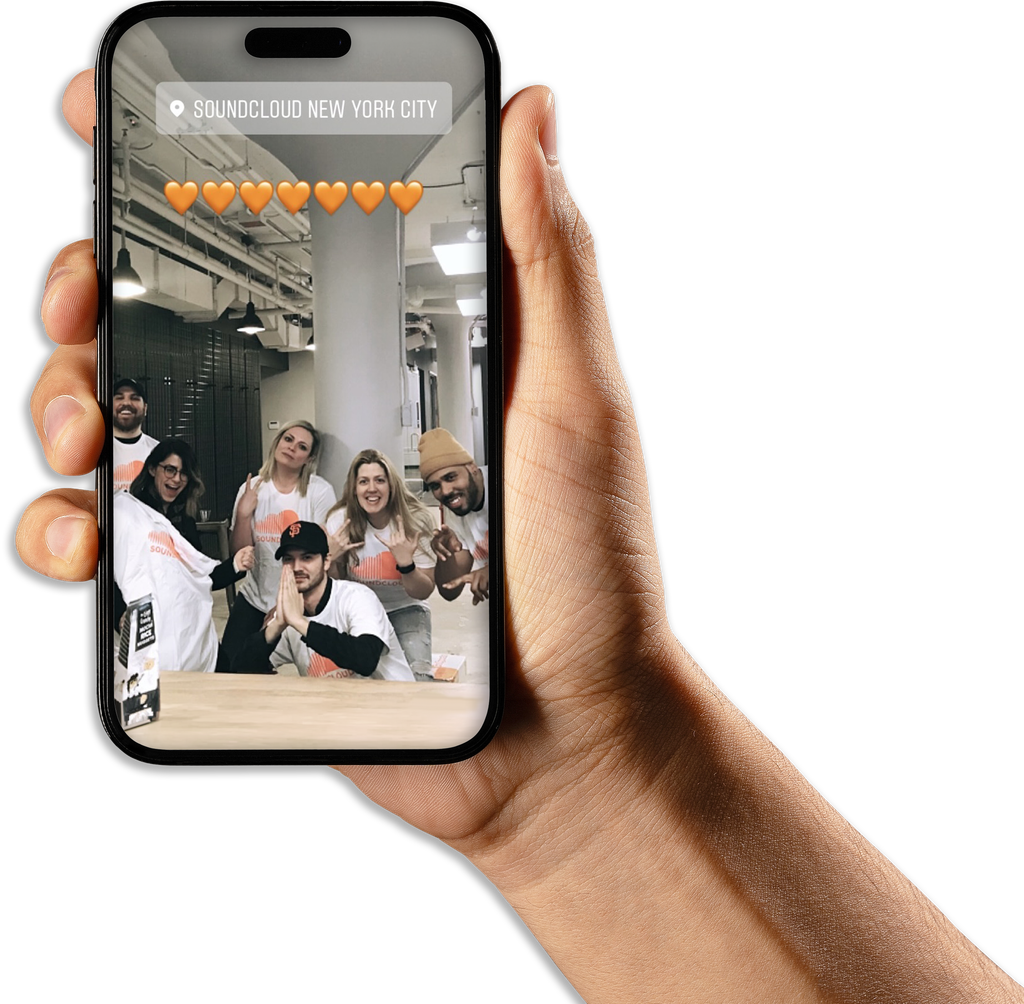
Then, I kind of took the K College approach in that I tried everything—in this case, everything within the music business. I interned at Universal Music Group doing marketing, I did an artist management internship, I worked at a tech company in product management. I didn’t know what I wanted to do. K probably prepared me more than anything to be able to have the confidence to try new things in that way, because it was encouraged at the College and led to good things. Ultimately, I landed my first job, which was at SoundCloud in music licensing, which is the area of business I still work in today for TikTok. I ended up leaving SoundCloud for a bit, but ultimately made a return about two years later in an internal operations and strategy function, working with cross-functional teams on the licensing strategy for upcoming negotiations. That led to the role I’m in today at the intersection of product, strategic planning, and music licensing.
What are you doing in your current role?
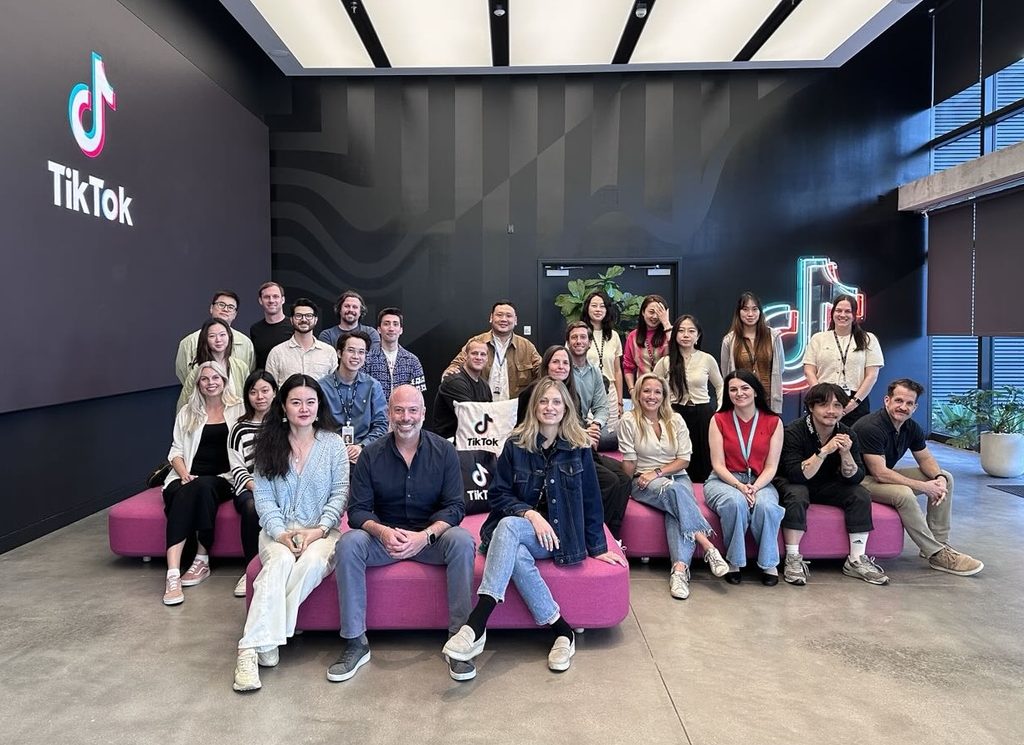
At TikTok I work in a very cross-functional role. I’m collaborating with finance, various product teams, and legal and deals teams to facilitate project management and prioritization of new features that incorporate music rights, from testing through launch. There are a lot of questions that come with certain features, such as what content we have rights to, how much something will cost, or whether the feature is something the industry would support. My aim is to drive the business forward through product innovation, while making sure we’re doing it in a compliant fashion, respecting music rights and ensuring artists and songwriters are getting paid for use of their rights and discovered by fans as much as possible.
Is there a particular project you’re proud of working on?
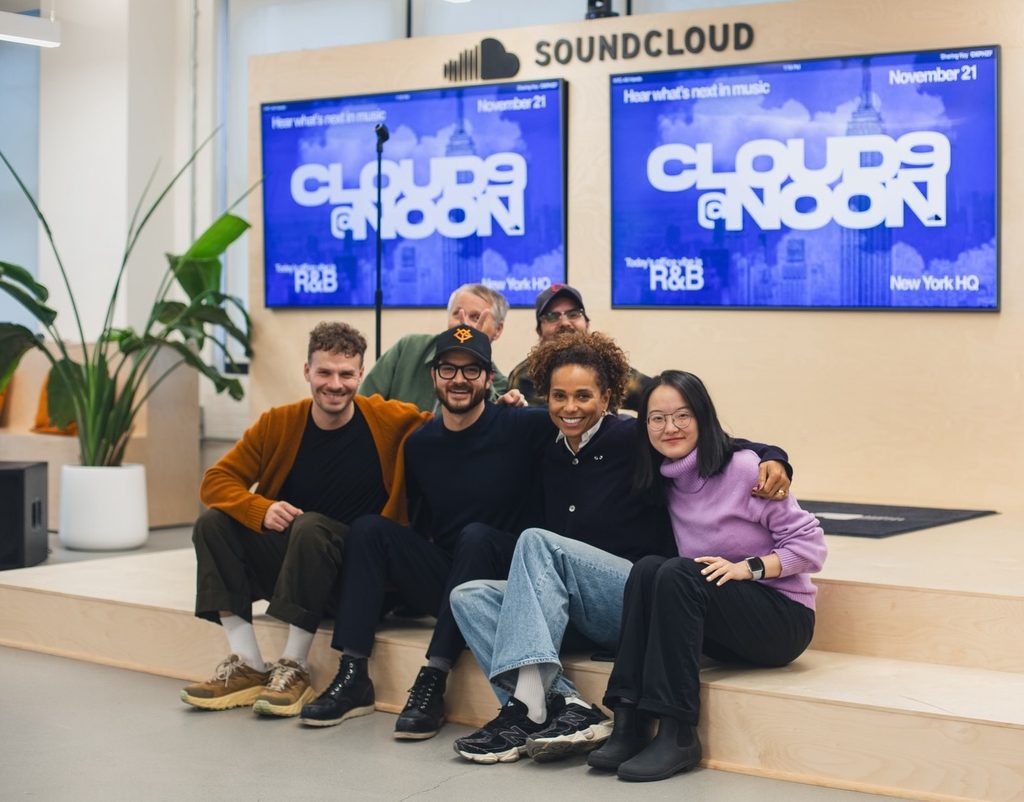
One of the most rewarding projects I worked on was during my time at SoundCloud, where we designed, licensed, and launched Fan-Powered Royalties—a first-of-its-kind streaming payment model.
Under the model, a fan’s subscription revenue is distributed directly to the artists they actually listen to. This differs from the traditional industry model (which most are not aware of), where subscription revenue is pooled and allocated based on each artist’s share of total streams across the platform (i.e. your money doesn’t actually go directly to who you stream).
The project was especially rewarding because we not only sparked a lot of great discourse across the industry, but we secured industry support through licenses and brought it to market. Seeing it benefit independent and emerging artists—who can otherwise be overshadowed by the scale of mainstream artists—was incredibly fulfilling.
How has the music industry changed since you first entered it while working on your SIP?
I’m thinking “don’t say AI, don’t say AI, don’t say AI,” but artificial intelligence is definitely going to be one of them. Fans want to be able to interact with music more, and I think what TikTok does really well is allow users to utilize music in a way that’s creative and unique to them. It’s not this passive listening experience; it’s very active. You can take music and add video to it, for instance. What we’re seeing in terms of AI is that the ability to play with music and create is a lot easier. Someone who has an idea in their head can create with less friction as opposed to having to learn all the software tools. AI being a co-pilot with the creator as opposed to completely replacing them is key for a healthy future, in my opinion. There will likely be a lot of purely AI-generated songs uploaded to streaming services and TikTok, but there’s a lot of effort today to strike the right balance so human artistry can shine.
Also, since I’ve done my SIP, music streaming has reached pretty strong maturity. There are probably some smaller emerging markets where there’s room for growth. But what we’re seeing in the digital music industry is that a lot of the growth in streaming is coming from adding additional features to the apps, driving more value to users, and price increases. All streaming services have recently increased prices, and I think we’ll continue to see that. Having all the world’s music in your pocket for $10 is a thing of the past.
You’ve taken something you’re passionate about, music, and turned it into a nontraditional career in music. Do you have advice for people who want to do something similar, whether it’s with music or another interest?
The more you can try to get to the location where these things are happening, the better. I also think something that worked very well for me—and that I’d recommend for people who are trying to follow a unique or niche path—is to find people that do the thing that you’re interested in. People are often afraid to cold call or reach out, but I don’t think I would be where I’m at if I didn’t do that. Find an email, find a LinkedIn profile and just reach out. Sometimes you’ll swing and miss—not everyone’s going to respond to you. But the more you do that, the more likely that someone eventually will pick up the phone, so to speak, and give you your first steps toward whatever that career is.
Mallika Mitra ’16 is a Chicago-based writer and editor. She attended the Craig Newmark Graduate School of Journalism, where she studied business and economics reporting and was a McGraw Scholar. Mitra’s work has been featured in CNBC, Bloomberg News, Business Insider, Money Magazine and more. Her essays can be found in literary magazines like Entropy and Punctuate, and she co-hosts the podcast Finale Girls all about TV past and present.